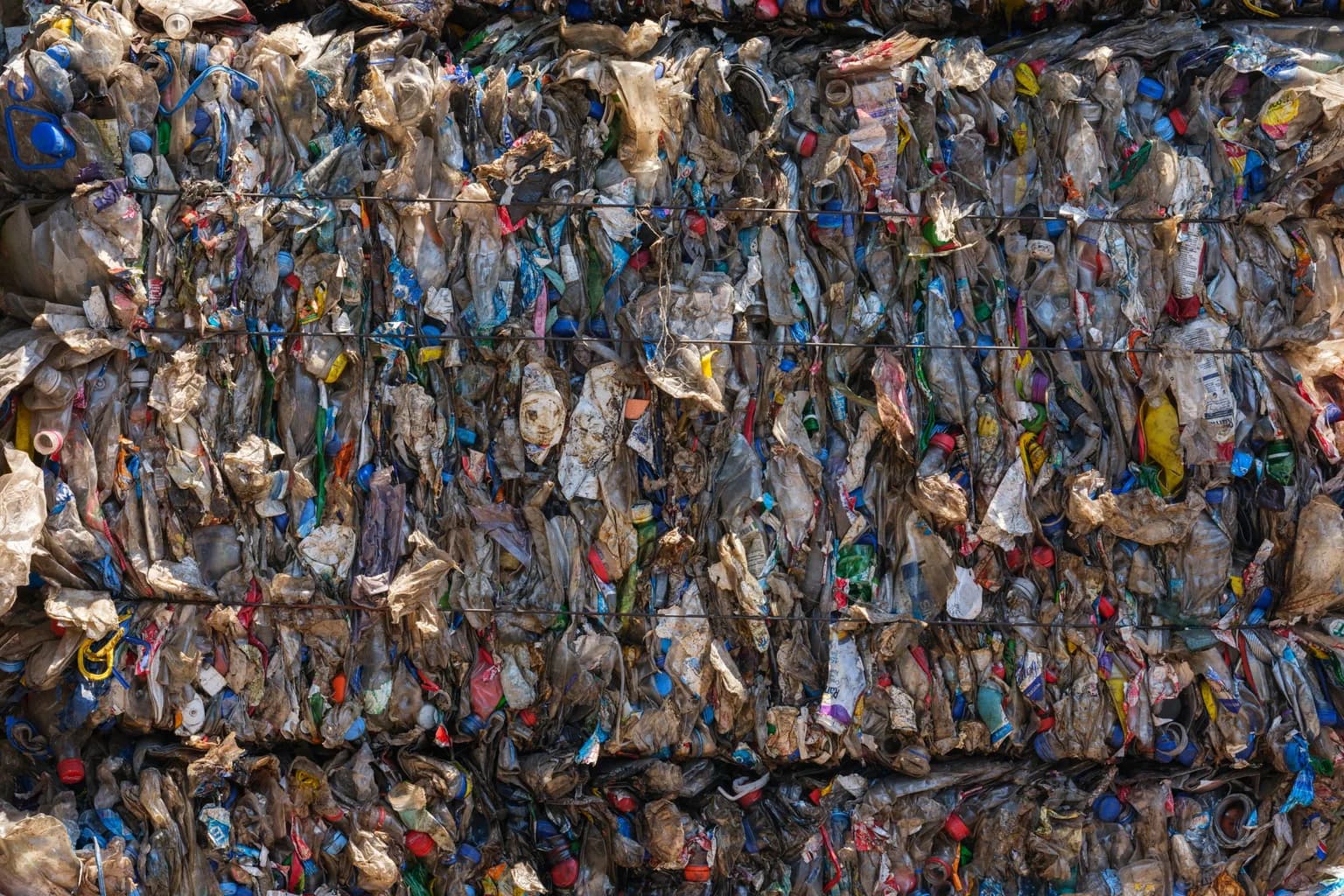
Most Malaysian businesses pay twice for their waste. Once to dispose of it. And again by handing over recyclable materials — cardboard, metal cans, plastic bottles — that have a real market price, and never seeing a cent back.
In 2023 alone, the Solid Waste Management and Public Cleansing Corporation (SWCorp) estimated that RM291 million worth of recyclables was thrown away in Malaysia instead of being recycled (Malay Mail). Even as the national recycling rate hit 37.9% in 2024 (SWCorp), the value left on the table remained substantial. That money didn't go to the businesses that generated the waste. It went into landfills — even though Malaysia's solid waste regulations already require commercial premises to separate at source in adopted states.
GarGeon works with Malaysian businesses across KL, Selangor and Johor on this exact problem. Here's what your recyclables are actually worth, why you're probably not earning a rebate today, and how to change that.
You can work out your own rebate with one sum
Kilograms a month ____ × price per kilogram RM ____ × your share ____ % = RM ____ a month
Run it once for each material you separate. Indicative prices per kilogram of clean, separated material: copper RM35–50, aluminium cans RM7–11, ferrous scrap RM0.50–0.90, old newspaper RM0.45–0.75, clean PET or HDPE plastic RM0.35–0.65, and cardboard RM0.20–0.35. Use the low end if your material is mixed or wet. Your share is the split your collector agrees to in writing.
The price a recycler posts is not the figure on your invoice. The posted price is what a recycler pays for clean, baled material at the gate. Your rebate is a share of that, after collection and haulage.
Here is a real example. At CCL Impex, a vegetable wholesaler, recyclables were separated at source and every collection weighed. Recycling rose from 1–2 tonnes a month to 5–6. The monthly rebate rose from RM800–1,000 with its previous recycler to RM1,500–2,500, and the peak month paid RM2,500.
What a Recycling Rebate Actually Is
A recycling rebate is the market value of your recyclable materials, paid back to you — usually as a credit on your monthly invoice or a direct payment per tonne collected.
In Malaysia, that market is real. Cardboard, paper, aluminium cans, steel scrap, and clean plastics are all bought and sold every day. Local recyclers pay for them, bale them up, and resell them to mills and smelters. Those rates show up in scrap-yard price lists you can find online — at GarGeon we track them so we know what to share back with our clients.
The catch: most businesses never see this rebate. There are three reasons why.
A general waste hauler bundles everything together. If your contractor picks up one mixed bin and dumps it at the landfill, your recyclables go with it. They're disposed of, not sold. No rebate is possible because the material was never separated.
A recycler keeps the rebate. If you separate your cardboard and metal but your collector doesn't share the rebate, the material gets sold downstream — your collector earns the revenue, you don't. Nothing illegal, but nothing in it for you either.
The material is too contaminated to have value. Food-soiled cardboard, wet paper, mixed plastics with food residue — these get downgraded or rejected at the sorting facility. Even when collected as recyclables, they may end up at the landfill anyway. Plastic is the stream where this bites hardest, because value swings from real to negative depending on grade and cleanliness — see what plastic is actually worth in Malaysia.
The rebate-share model fixes the second case. Pick a collector who agrees in writing to share the material revenue back, and what was a cost line becomes a partial offset. It's the model our Recycle Solutions service is built on. If you would rather have one partner for collection, recycling and reporting, see how total waste management works across your sites.
For the broader operational picture across regulations, disposal options, and how to choose a partner, see our Malaysia enterprise waste management guide.
What Your Recyclables Are Actually Worth
These are indicative market rates for the kinds of materials a Malaysian business typically generates. Prices fluctuate with global commodity markets — treat the table below as a snapshot, not a guarantee.

GarGeon's indicative ranges, per kilogram of clean, separated material:
| Material | Indicative range | What it looks like in your bin |
|---|---|---|
| Copper (grade A) | RM35–50/kg | Old wiring, electrical scrap |
| Aluminium (cans, tin) | RM7–11/kg | Pantry drink cans, foil trays |
| Ferrous metal / iron | RM0.50–0.90/kg | Steel scrap, old fittings, swarf |
| Old newspaper | RM0.45–0.75/kg | Lobby newspapers, archives |
| Plastic (clean PET / HDPE) | RM0.35–0.65/kg | Clear bottles, clean containers |
| Cardboard (OCC) | RM0.20–0.35/kg | Delivery boxes, packaging |
These are ranges, not quotes. Scrap prices move with global metals and paper markets, and what you are actually paid depends on volume, how clean the material is, and how far the recycler has to travel. Anyone publishing a single fixed figure is either quoting a stale snapshot or quoting one buyer on one day. For a real number against your own material, send us what you generate — the ask takes one message.
Malaysia's recycling industry continues to attract substantial commercial investment — see MIDA's Turning Waste into Wealth for context on the scale of the market.
Metal is in a different league: going by the ranges above, a kilogram of aluminium cans is worth roughly 20 to 55 times a kilogram of cardboard. A few kilograms of clean copper scrap can be worth as much as a tonne of OCC.
What this means for your business depends on what your bins actually contain. Below are rough pictures by sector:
- Manufacturing and light industrial sites — the dominant value sits in metal: steel scrap, aluminium offcuts, copper wiring. These streams often outweigh everything else by value, even if they're not the largest by volume.
- Retail, logistics and warehousing — cardboard dominates. Individually each kilo is low-value, but the volume is high. A busy warehouse can move several tonnes a week through its loading bay.
- Manufacturing and fabrication — metal offcuts and swarf carry most of the value, and the volumes are predictable because they come off the line. Our guide to turning factory scrap into revenue covers the streams worth separating.
- F&B, hotels and corporate canteens — aluminium cans and clean PET bottles are the highest-value streams. Add cardboard from supplier deliveries and you have three rebate streams in one operation.
Before guessing what's in your bins, weigh it. What the recyclables passing through your site are worth depends on how many kilograms of each material are in the mix, so price them stream by stream against the ranges above rather than with one blended figure.
The Double Benefit: Cost Avoided Plus Rebate Earned
The financial case for diverting recyclables has two halves. Most people see one and miss the other.
Half one: every tonne diverted is a tonne you don't pay to landfill.
Disposal at Jeram Sanitary Landfill — the main landfill serving the Klang Valley — costs from RM95.50 per tonne for commercial waste: the rate our partner collectors are charged, passed on to you at cost. That's before transport. Add the haulage and bin rental on top, and the all-in disposal cost is comfortably higher. See our recycling vs. landfill cost guide for the full breakdown.
So before you've earned a cent in rebate, separating a tonne of recyclables out of your residual bin already saves that disposal cost.
Half two: the rebate stacks on top.
Be careful reading the table above, because two different numbers get called "the rebate". The ranges there are the material's market value — what a recycler pays for a clean, baled tonne at the gate. What reaches your invoice is a share of that, after collection and haulage, which is why the figure on your statement is always lower than the scrap board. Any provider quoting you the board price as your rebate is quoting you someone else's revenue.
The direction still holds either way. A tonne you divert avoids the RM95.50 disposal cost before any rebate is counted, and the rebate stacks on top of that. For aluminium the gap is wide enough that the arithmetic barely matters: a tonne of baled UBC cans is worth thousands of ringgit on the open market against an avoided disposal cost under RM100.
A practical way to frame this for a finance team:
Total monthly waste cost = (tonnes landfilled × disposal cost per tonne) + transport Recycling revenue = sum across streams (tonnes × material rate) Net waste cost = total cost − recycling revenue
Three line items, none of which most businesses currently track. We don't write specific savings figures for a hypothetical reader because they depend on your tonnage, your material mix, and current commodity prices. But the structure of the calculation is the same for every business — and our free waste audit gives you the actual numbers to drop into it.
What Determines Whether You Actually Get a Rebate
Four things separate sites that earn a rebate from sites that don't.
Volume. Recyclers don't pay for sporadic, small pickups — the logistics don't work. A single bag of cardboard a week isn't economic to collect, sort, and bale. Consistent, predictable volumes are what make a site rebate-worthy. A regular weekly pickup of cardboard and metals from a warehouse, or a monthly pickup of aluminium cans from a corporate canteen, hits the threshold easily.
Contamination. Mixed plastics with food residue, wet paper, food-soiled cardboard — these lose value or get rejected entirely at the sorting facility. It is common even where recycling is well established: a 2020 study of commercial mixed recyclables in the Portland, Oregon area found an average contamination rate of 14% (Resource Recycling, 2020). That figure is from the United States, not Malaysia, but it shows the scale of the problem. Separate bins per material keep contamination down, and that difference shows up in your rebate cheque.
Separation quality. Clean baled cardboard commands a different price from loose mixed waste with cardboard in it. Separated aluminium cans are worth more than mixed metal scrap. The work you do at source — proper bins, clear labelling, basic staff awareness — directly determines the grade and the price.
Material grade. Not all material in a stream is equal. Office white paper is worth more than newspaper. Grade A copper is worth more than copper with insulation still on it. A good collector will tell you what grades they pay for and how to capture them cleanly. A general waste hauler won't.
For practical guidance on cleaning up separation at multi-site operations, our source separation at scale guide covers what works.
How to Start Earning a Rebate on Your Waste
Four steps, in order. Skip any of them and the model breaks.
1. Audit your waste. A waste audit tells you what is in your bins by stream and weight. That is the data you negotiate a rebate with. GarGeon's audit is free as a setup step — see our waste audit guide for what the process involves. If you're a property or facilities manager doing this across a multi-tenant building, our office & commercial building waste management guide walks through the multi-tenant coordination problem.
2. Separate at source. Set up clean capture for your highest-value streams first. For most businesses, that's a dedicated cardboard collection point near the loading bay or stockroom, plus a clearly labelled bin for aluminium cans in the pantry or canteen. Add other streams as the programme matures. Source separation is non-negotiable — without it, no rebate is possible.
3. Choose a collector who shares the rebate. Ask directly. Some recyclers will, some won't, and some will quote the same price either way. Get the rebate split in writing. Confirm what materials qualify, what grades they accept, and how the rebate is calculated and paid back to you. For more on what to look for in a collector contract, see our guide on choosing a waste management partner.
4. Track it. Verify what was collected, what was sold downstream, and what you earned. Photo-verified pickups and weight tickets — not estimated volumes — are how you confirm the numbers are real. This is what our GarGeon Connect dashboard does for every client. For the broader verification picture — what proof to demand from a contractor and how to spot red flags — see our guide to recycling verification in Malaysia.
That's the model. It isn't complicated. It just requires a collector who agrees to run it that way.
Most Malaysian businesses don't earn a rebate today because they haven't asked, they haven't separated, or they haven't measured. None of those are hard to fix. The market for recyclables exists. The avoided landfill cost is real. The only question is whether your contract is structured to share the value with you, or to keep it for someone else.
If you'd like to find out what your bins are actually worth, request a quote — we'll start with a free waste audit and give you a clear picture of where the value is, before any commitment.